Coming soon, but the idea behind this activity is to design and build a carriage for Cinderella’s pumpkin.
You’ll need a mini pumpkin to test your carriage works!

Last Updated on July 16, 2018 by Emma Vanstone

Coming soon, but the idea behind this activity is to design and build a carriage for Cinderella’s pumpkin.
You’ll need a mini pumpkin to test your carriage works!
Last Updated on July 16, 2018 by Emma Vanstone
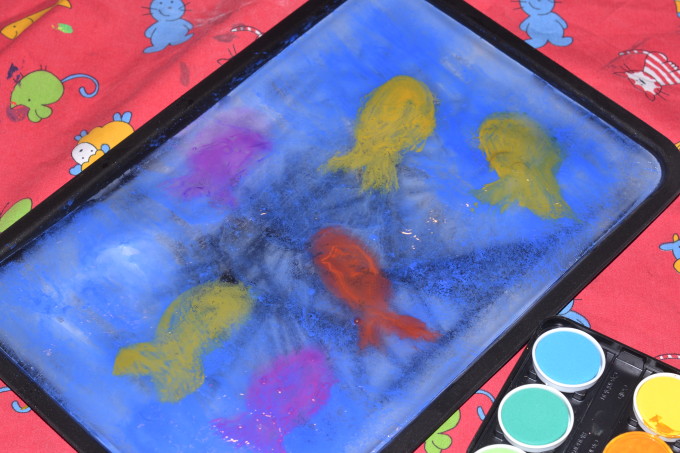
We’re making the most of the cold weather by sticking with our ice theme this week. This ice painting science activity is super simple and great fun. I just wish I had a bigger freezer to make a larger sheet of ice. Materials for ice painting Tray ( I used the cheapest oven tray I…
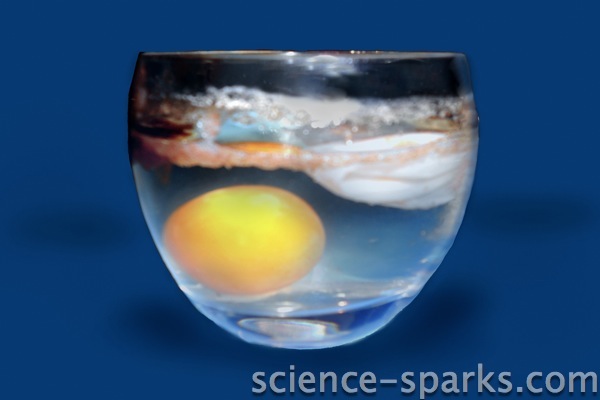
We love egg experiments here at Science Sparks. We’ve investigated air pressure using eggs, transformed egg whites, tested how strong an eggshell is, and even made eggs shrink. Today, however, we’re going to find out how to make an eggshell disappear. It sounds impossible, but it is actually very simple! How to dissolve an eggshell…
The kitchen is a great place to try some science! Kitchen chemistry experiments are some of the easiest and most fascinating activities you can try at home. They also use products you probably already have and sometimes you can even eat the result! Kitchen Chemistry Experiments Chill with Salt Use the ice and salt to…
Coming soon! The idea behind this activity is to test different materials to investigate which makes the strongest wand. You could try sticks, straws, pipecleaners etc and then devise a test for your investigation. Should the wand stand straight, should it bend when waved etc? Last Updated on July 16, 2018 by Emma Vanstone

How did learning in lockdown go for you? My 13 year old did brilliantly as he had his usual school day but from home. My 11 and 9 year old did all the work they were set but with a 3 year at home as well I just didn’t have enough time to spend with…

A bubble is basically air wrapped in soapy water, they form because soap molecules reduce the surface tension between water molecules allowing the mixture to stretch. If air is blown through the soapy water mixture bubbles form as air becomes trapped inside. Bubbles form the smallest possible shape to wrap around the air inside them….