Coming soon!!
Last Updated on July 15, 2018 by Emma Vanstone

Coming soon!!
Last Updated on July 15, 2018 by Emma Vanstone

Fresh ice feels sticky because when you touch it, the ice immediately freezes the moisture in your skin, which makes the ice feel sticky to touch! A great way to learn about the properties of ice is to try some ice experiments! When using ice with small children always leave it to melt a little…
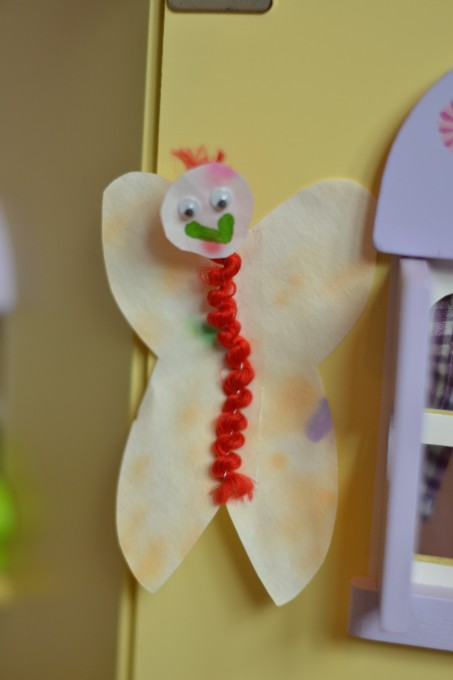
These chromatography butterflies not the best example of chromatography, but are lots of fun to make and a fun demonstration of how the ink in most felt-tip pens contains a mixture of different colours. If we were to do this properly we’d use strips of blotting or filter paper, make a dot at the bottom…
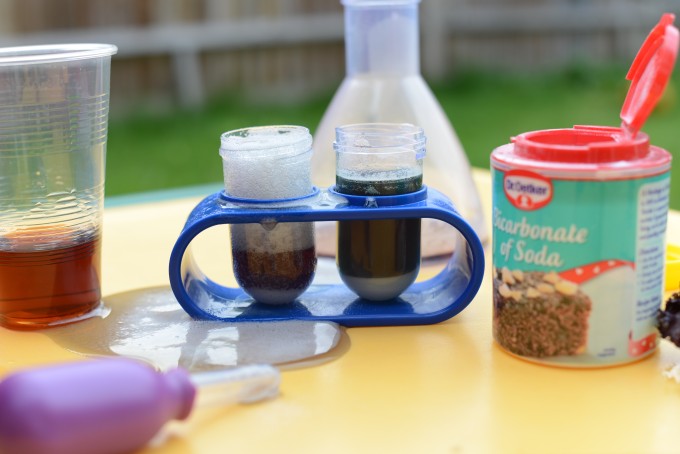
We’re very lucky in that Learning Resources sometimes send us their great products to test out. Did you see our post about the Volcano where we made multi coloured lava? Next up for us to to test is this brilliant Primary Science Lab Set, my favourite thing about the whole Primary Science range from Learning Resources…

Hooke’s law states that the amount of force applied to an elastic object is proportional to how far it stretches. However, if the object is overstretched it will not spring back. Hooke’s Law only applies if an elastic object is not overstretched. Objects are made from lots of molecules with bonds between them, if too…

Rockets are a great STEM challenge in any form, as the end result is usually impressive, and success is easy to measure. This simple air rocket launcher is inexpensive and very easy to create. It’s a great STEM challenge or science activity for home or school. Once you’ve made an air rocket launcher, take a…
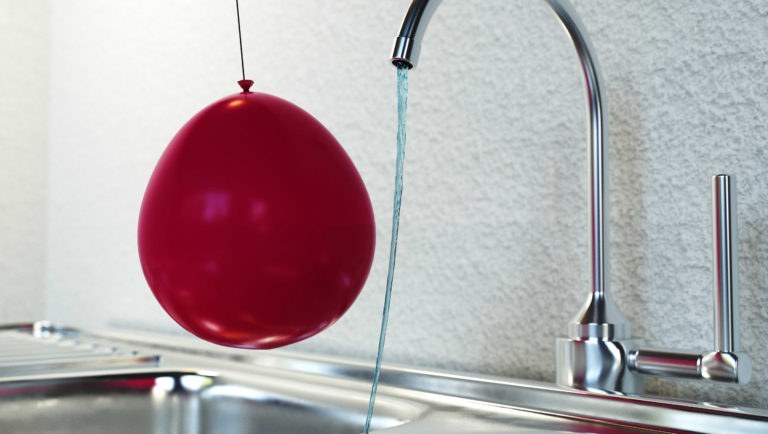
Static electricity is the thing that sometimes gives you a little shock when you touch a metal door handle after walking on a carpet. It makes your hair stand on end when you put a woolly jumper on and can be used for lots of fun science experiments and demonstrations. This static electricity demonstration shows…